Background
What You Need to Know
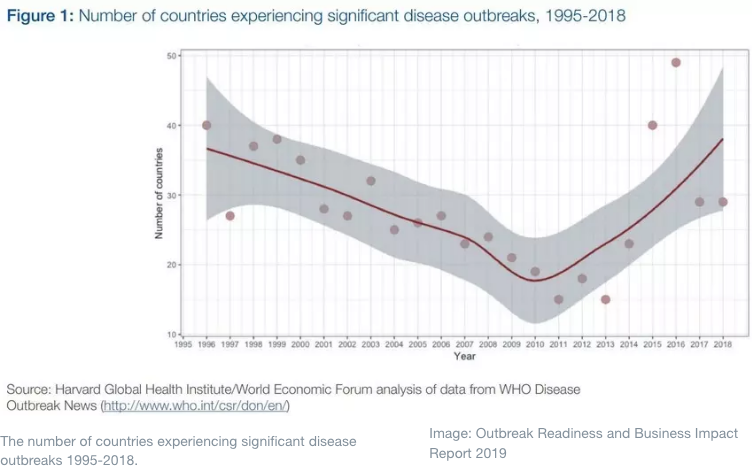
The transmission of animal diseases to humans — zoonotic spillover — is occurring at a faster pace. Greater engagement between the social sciences and the biological sciences can contribute to understanding the causes of the increased frequency of what is, statistically, a rare event.
It is estimated that there are over 1.5 million unknown viruses in animal reservoirs around the world. Of these, between 600,000 and 850,000 have the potential to infect humans. Most never will — but as human activities increasingly bring people into contact with wildlife and disrupt the ecological buffers that contain animal pathogens, spillover events are becoming more frequent and more dangerous.

Methodology
What Did the Researchers Do?
The researchers conducted a theoretical and interdisciplinary analysis, identifying social science concepts from environmental sociology that can help societies understand, anticipate, and respond to zoonotic spillover. The paper bridges two literatures — biological research on viral transmission and sociological theory about the structural causes of environmental degradation — that have rarely been brought into direct conversation.
The analysis maps how normal accidents and treadmill theory each illuminate different dimensions of the spillover problem: one focusing on the statistical inevitability of rare events under conditions of repeated exposure, the other focusing on the organizational and competitive dynamics that generate those exposures in the first place.
Findings — Normal Accidents
When Rare Events Become Inevitable
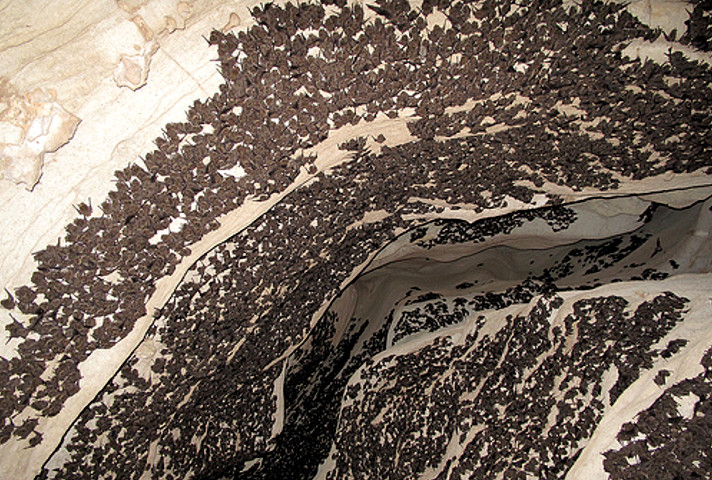
Zoonotic spillover is a relatively rare event. Humans are continually exposed to many potentially infectious pathogens derived from other species — but most cannot infect or cause disease in humans. Pathogen spillover events are linked to human-animal interactions with both natural hosts (such as bats) and intermediate hosts (such as domesticated animals).
Although the risk posed by a single encounter — or even several hundred encounters — is quite low, the chance of spillover grows as the number of encounters grows. If encounters are frequent enough, spillover becomes "normal." In the Anthropocene, these encounters are growing rapidly — and in some cases exponentially.
"If encounters are frequent enough, spillover becomes normal. In the Anthropocene, these encounters are growing rapidly — in some cases exponentially."
Several human activities have already caused and continue to elevate the risk of zoonotic spillover. These threats have been accelerated by the process of globalization, which simultaneously drives habitat encroachment and connects distant populations:
- Climate change — shifting animal ranges into closer proximity with human populations
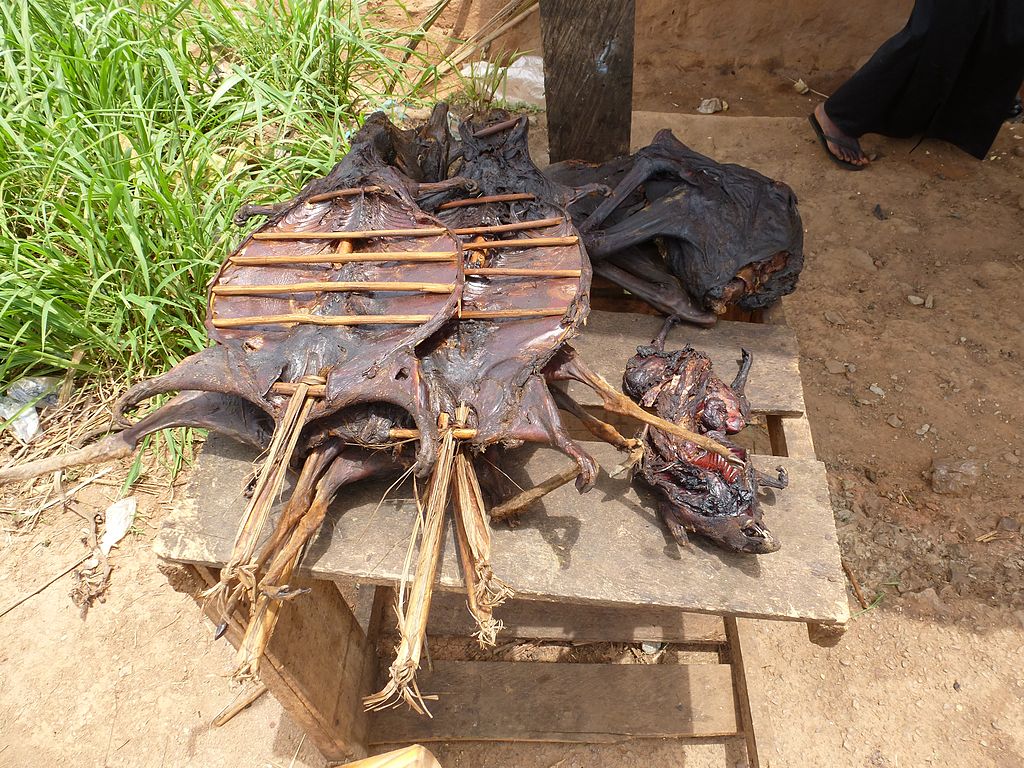
- Hunting & bushmeat trade — direct handling of wild animals with unknown pathogen loads
- Human migration — moving people into novel ecological contexts
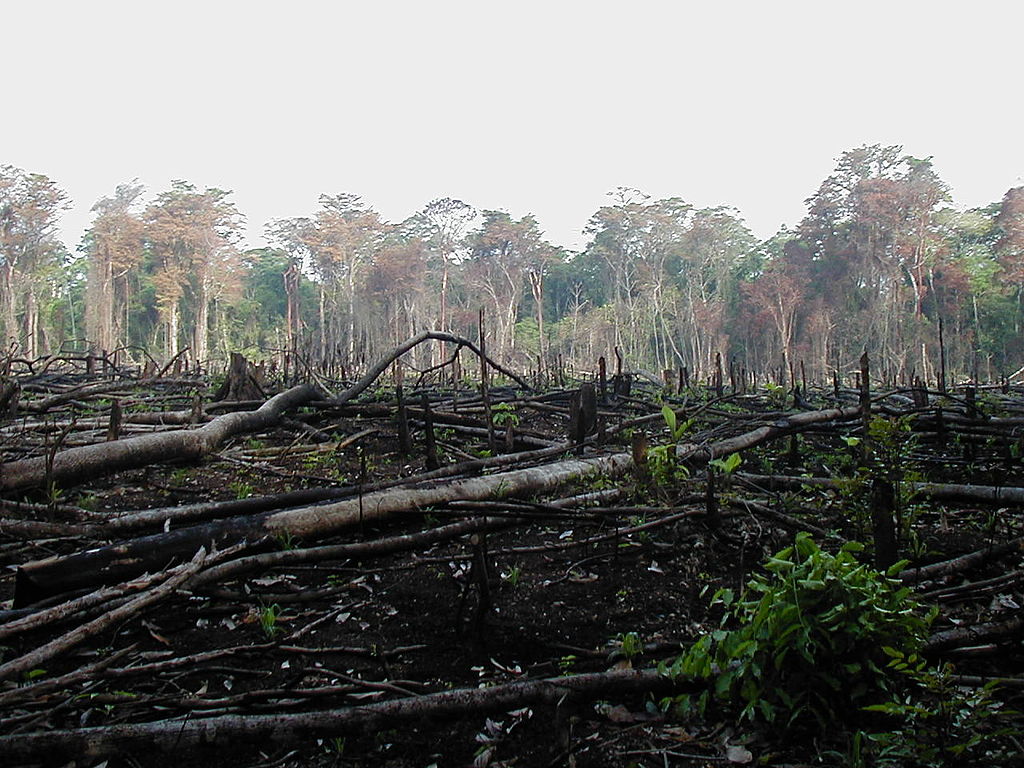
- Landscape changes — deforestation and habitat fragmentation reducing ecological buffers
- Livestock trade — intermediate hosts bridging wild and human disease ecologies
- Environmental contamination — pollution stressing animal immune systems and increasing viral shedding
Findings — Treadmill Theory
Organizational Treadmills & Pandemic Risk
Treadmills can emerge and pose a unique set of environmental threats to biodiversity and land system stability across a range of contexts. The dangers posed by treadmills are distinctive because powerful organizations exploit nature and extract resources in competition with rivals that threaten their organizational vitality — and potentially their survival. These organizations are caught on a treadmill of environmental degradation, and the pace of degradation quickens.
How Treadmills Drive Spillover Risk
A treadmill of production accelerates deforestation and agricultural expansion, clearing habitat and bringing farming communities into closer contact with wildlife. A treadmill of destruction accelerates resource extraction in peripheral regions to finance military and geopolitical competition. Both treadmills independently generate repeated human exposure to novel animal viruses — and when they operate simultaneously, as in conflict-affected regions, the spillover risk compounds dramatically.
- Treadmills of production drive forest clearance for agriculture and resource extraction — the most significant structural driver of spillover risk globally
- Treadmills of destruction force displacement of human populations into previously uninhabited ecological zones, generating novel contact with animal reservoirs
- Both treadmills suppress information about their environmental consequences through secrecy, counterframing, and political influence — limiting the public health response
- The interplay between economic and military competition can create synergistic treadmills that accelerate environmental degradation faster than either would alone
Implications
How Can You Use This Research?
Governments and institutions can use this knowledge to target interdisciplinary research initiatives aimed at anticipating zoonotic spillover. The social sciences have valuable contributions to make that purely biological approaches cannot — identifying the organizational, economic, and military dynamics that generate the conditions for spillover in the first place.
Normal accidents theory demonstrates that rare events are likely to occur with repeated trials across a range of contexts. Treadmill theory points to the human organizations and competitive processes that generate repeated exposure to novel viruses and heighten spillover risk. Understanding these structural drivers can help policymakers craft prevention strategies that go beyond surveillance and response — addressing the root causes of pandemic risk before they trigger the next outbreak.
Zoonotic spillover is exacerbated by environmental transformation and biodiversity degradation propelled by treadmills of production and destruction. Pandemic prevention and environmental protection are not separate agendas — they are the same agenda, addressed at different scales.