Background
What You Need to Know
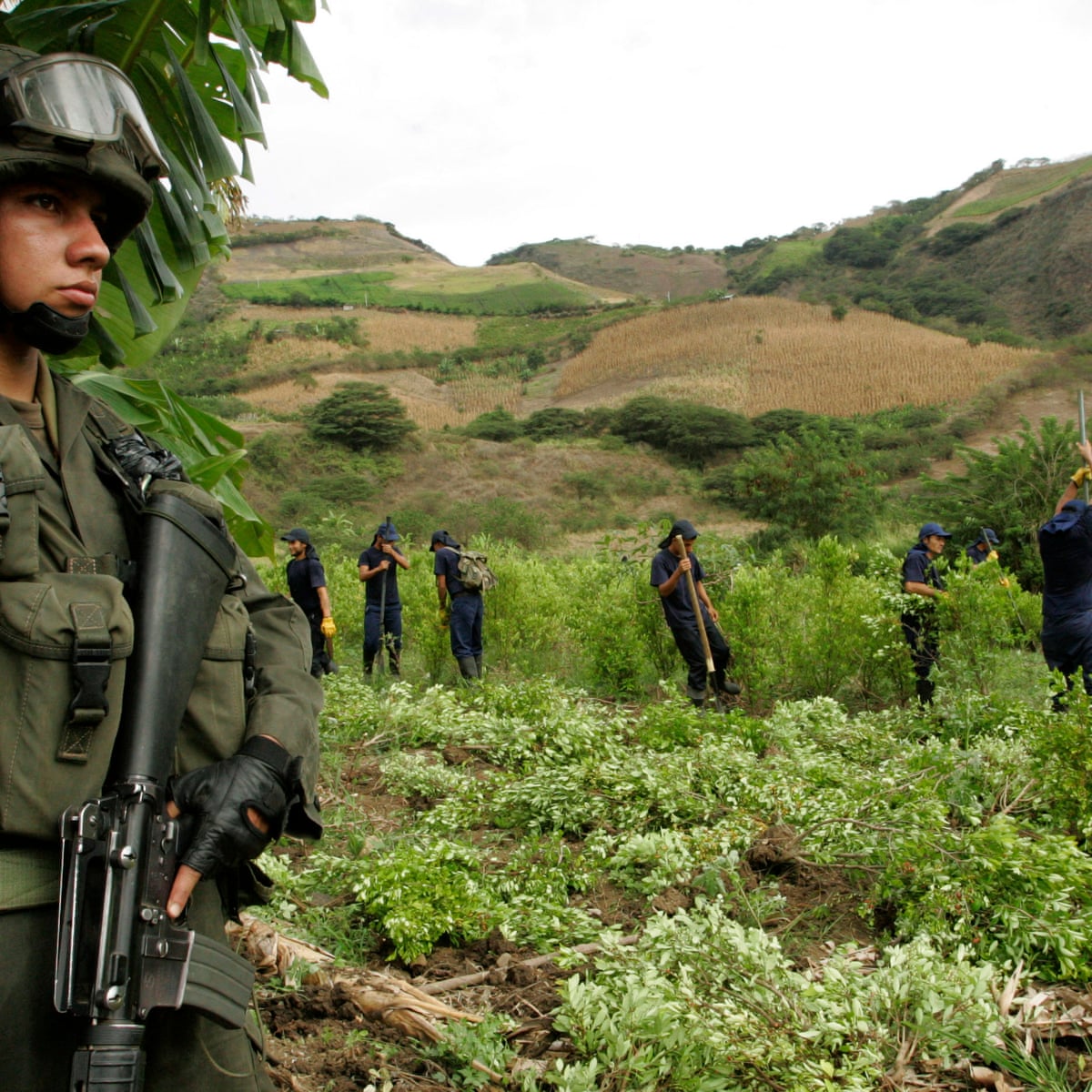
The militarized war on drugs in Colombia has devastating environmental impacts. Colombia has a long history of violent political conflict, and several armed organizations compete to control coca crops that supply a global cocaine market. This conflict drives deforestation, biodiversity loss, and landscape transformation — and demonstrates the new geography of modern warfare.
In this new way of war, the ecological risks are concentrated in the Global South. The United States provides the funding, equipment, and training; Colombia absorbs the casualties, the contamination, and the costs.
Context
What Is This Research About?
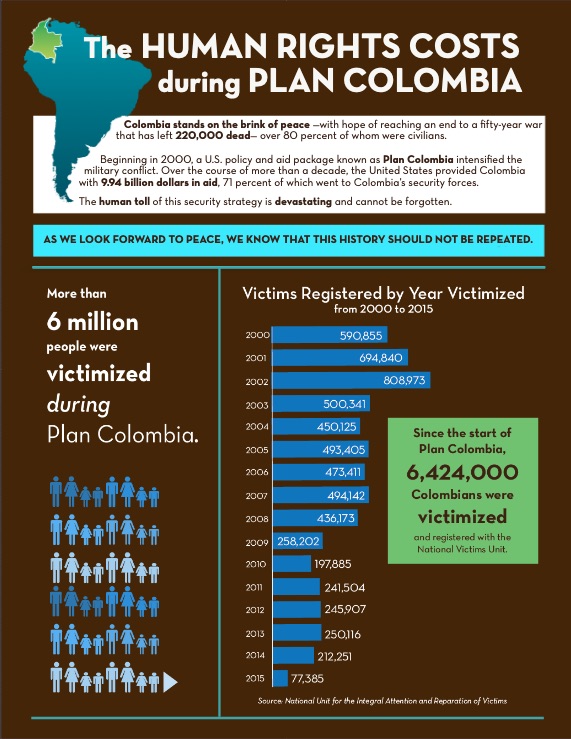
Environmental destruction always results from war — but as war changes, so do its environmental consequences. Modern wars are fought in ways that shift their consequences to the Global South. Since the United States militarized its effort in the war on drugs in 1981, it has provided equipment, training, and weaponry to the Colombian state. Since 2000, the United States has supported Colombia through "Plan Colombia."
Numerous state and non-state armed groups participate in the drug war, and human rights abuses and environmental degradation are widespread. The United States remains insulated from the environmental and human rights consequences; Colombia bears the costs in war casualties, environmental damage, and the chronic underdevelopment of peripheral coca-growing regions.
"The United States remains insulated from the consequences of this war. Colombia bears the costs in casualties, environmental damage, and underdevelopment."
Methodology
What Did the Researchers Do?
The researchers located and analyzed academic research, media coverage, and governmental publications on the environmental damage resulting from the militarized war on drugs in Colombia. They identified the historical and social factors that led to cocaine production and the emergence of organized revolutionary anti-government groups.
The study documents American efforts to suppress the drug trade and traces their consequences for the Colombian government, the natural environment, and the peoples of Colombia — drawing on the theoretical frameworks of the treadmill of destruction and risk-transfer militarism.
Findings
What Did the Researchers Find?
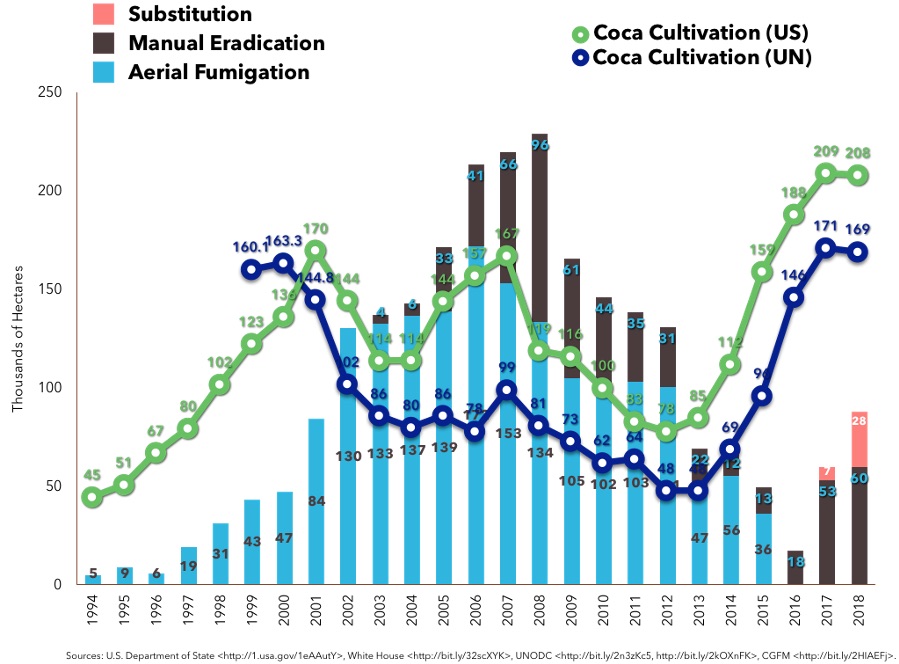
Eradication efforts have been largely unsuccessful at curbing coca production and generally result in a "balloon effect" — coca growers simply relocate rather than stop producing. Despite U.S. involvement in this conflict, the harmful environmental effects are disproportionately borne by Colombia.
The Colombian military, paramilitary, guerrilla, and criminal forces all contribute to the environmental damage occurring within Colombia — consistent with the pattern of how contemporary wars are fought: consequences shift to the Global South.
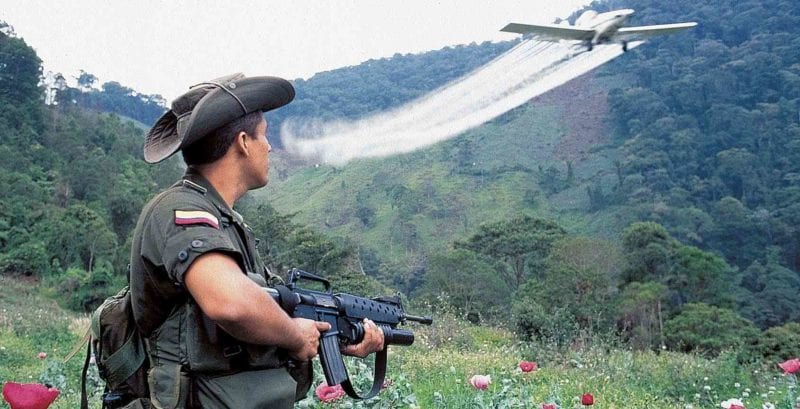
- Aerial fumigation distributes harmful chemicals into the environment, which bioaccumulate and bioconcentrate through the food chain
- Biodiversity loss is severe: many newly established coca-growing regions are biodiversity hotspots. Colombia hosts the world's largest number of bird species and the second-highest number of plant species
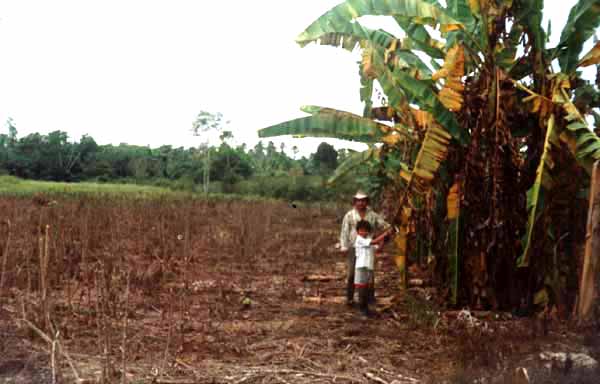
- Deforestation cycles are driven by eradication: when fumigation damages legal crops, farmers convert forested land to farmland or turn to coca production themselves
- Water contamination results from toxic coca processing — coca paste production requires large volumes of water and noxious chemicals, often disposed of near water sources
Implications
How Can You Use This Research?
Governments can be reminded that militarized efforts to suppress the drug trade carry serious negative environmental consequences. Understanding the ecosystem effects of the drug trade can help governments formulate less damaging eradication strategies. Environmental organizations may use this research to target prevalent coca-producing regions and advocate for policy change.
This research has had direct policy impact: it has been used by the Colombian government to support the ban on aerial fumigation of coca crops — one of the most harmful and ineffective tools deployed during Plan Colombia.