Background
What You Need to Know
An arms race always generates negative environmental impacts — but the Cold War nuclear arms race introduced unprecedented types and quantities of radioactive waste into the environment. The production strategies of this arms race were unlike anything in prior human warfare. The military guided a nexus of industrial, scientific, and technological production toward a single goal: build the most destructive weapons in human history.
Plutonium-239 is the most deadly and carcinogenic substance known to science. Its production required enormous quantities of water, caustic and deadly chemicals, and generated huge volumes of diverse radioactive waste — much of it deliberately concealed from the public for decades by national security doctrine.
Context
What Is This Research About?
Hanford Nuclear Reservation
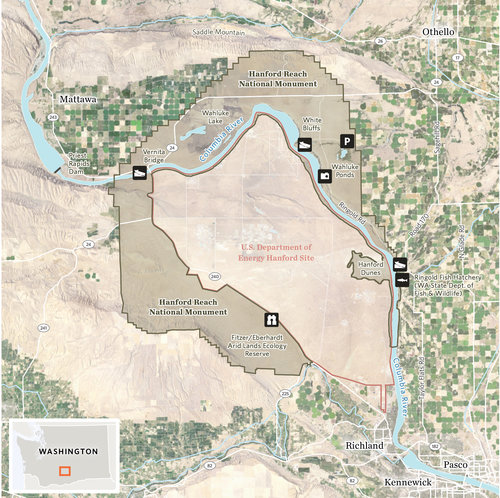
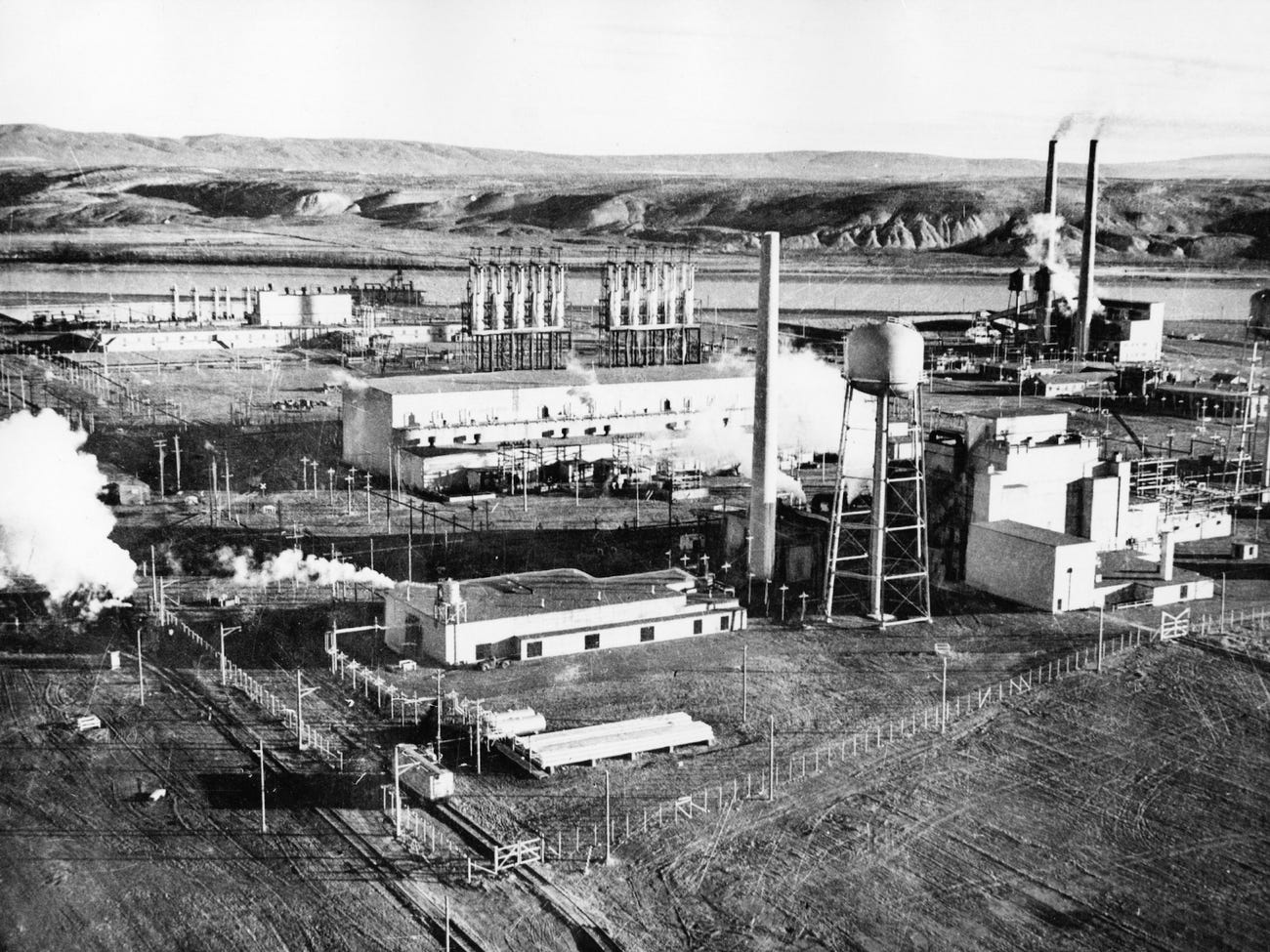
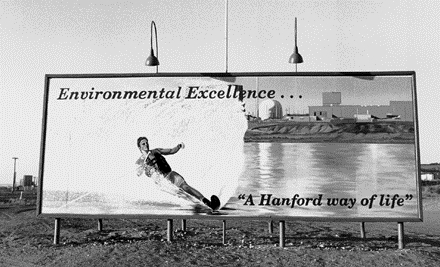
The Hanford site in Washington State reprocessed Plutonium-239 from irradiated fuel rods for use in advanced nuclear weapons. The process required enormous amounts of water and many caustic chemicals, resulting in 32 billion gallons of liquid waste — 64% from the high-efficiency PUREX process, which was chosen precisely because it maximized output while generating even greater waste volumes.
Some of that waste seeped into groundwater and created underground mounds that altered local hydrology, accelerating the flow of contaminated water toward the Columbia River. Hanford is today the most radioactively contaminated site on Earth.
Rocky Flats
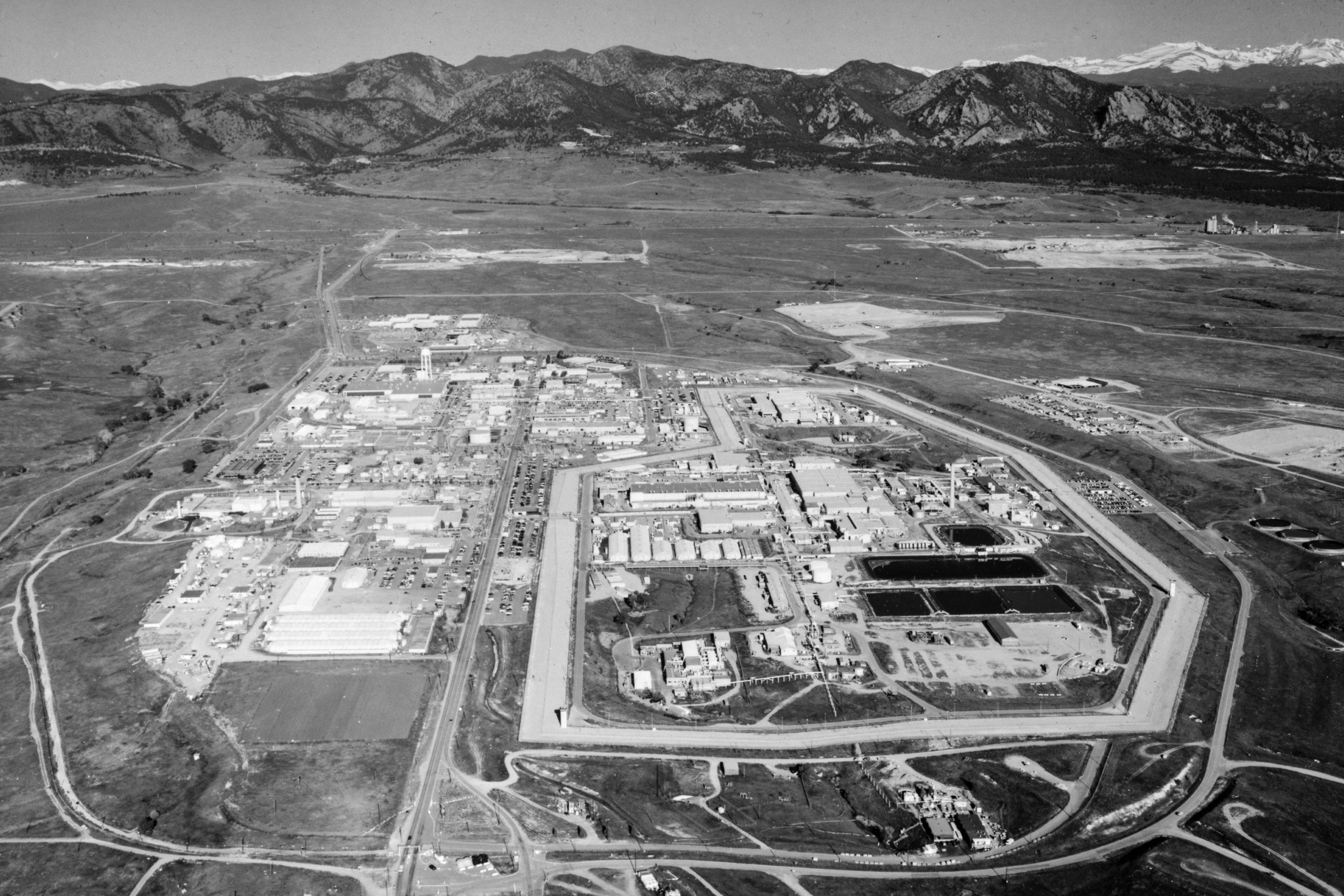
Rocky Flats, outside Denver, manufactured the plutonium cores — the primary component of modern nuclear weapons, responsible for the chain reaction. Rocky Flats produced nearly every core in the American nuclear arsenal. In the high concentrations required for weapons, Pu-239 can spontaneously ignite in air or undergo a chain reaction in the presence of water, making machining operations uniquely hazardous.
There is a remarkable history of secrecy, denial, and lies surrounding human health and ecological damages from plutonium core production at Rocky Flats — a history only partially visible through recently declassified national security documents.
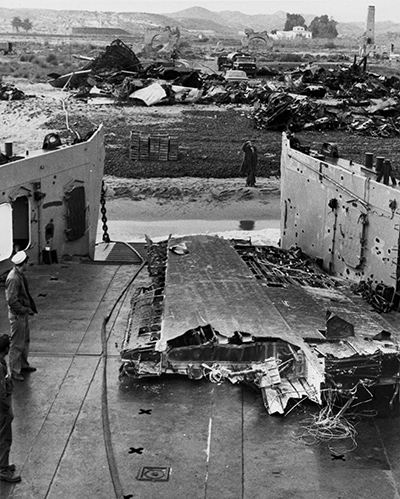
Sealed-Pit Weapons & Nuclear Accidents
Not all nuclear weapon designs are equally dangerous. Sealed-pit cores — the design chosen for the American arsenal — were a far riskier choice: any accident guaranteed a nuclear scattering event. Earlier "gun-style" designs kept radioactive materials separate from other bomb components until deployment. Military leaders insisted the risks of sealed-pit weapons were negligible. Declassified documents show otherwise.
"As the United States was prepared to sacrifice democracy and the survival of humanity, it comes as no surprise that it was prepared to sacrifice the environment as well."
Methodology
What Did the Researcher Do?
The researcher located and analyzed academic research, media records, governmental publications, and recently declassified national security documents on the environmental damage resulting from nuclear weapons production in the United States since the Manhattan Project.
The study identifies the historical and social factors that drove the American effort in the Cold War nuclear arms race, and documents the strategy of continuous arsenal "modernization" alongside its ecological consequences for human health and all biological life.
Theoretical Framework
The analysis applies treadmill of destruction theory — which holds that geopolitical and military rivalries drive a self-reinforcing cycle of weapons production that extracts material and industrial resources from civilian society, imposes ecological sacrifice, and escalates regardless of strategic necessity. The Cold War nuclear treadmill is its most extreme historical expression.
Findings
What Did the Researcher Find?
The American military competed in a nuclear arms race by imposing a "treadmill" strategy — directing the extraction of material, industrial, and scientific resources away from the civilian economy toward sustained nuclear weapons production. National security and military secrecy doctrines shielded this process from democratic oversight and public scrutiny.
- Hanford is the most radioactively contaminated space on Earth. Radiation bioconcentrates and bioaccumulates in the local water supply and food chain — visible in radioactive tumbleweeds, hawk droppings, genetic changes in Columbia River fish species, and elevated thyroid disease rates in surrounding communities
- Rocky Flats contaminated much of the Denver metro area with plutonium during the 1957 fire, and spread contamination across Colorado via hundreds of subsequent fires. No less than 1,100 pounds of plutonium were "lost" in air ducts, drums, and glove boxes during the facility's operation
- Sealed-pit weapons led to dozens of classified nuclear scattering incidents — accidents that remained secret because they demonstrate the catastrophic risks of producing and maintaining nuclear arsenals, whether or not they are ever deployed
- A new nuclear arms race now threatens to compound the waste burden at Hanford and other sites before the Cold War environmental legacy has been addressed


Implications
How Can You Use This Research?
In the current moment, several nations are pursuing a new nuclear arms race. Simultaneously, in the United States, former nuclear weapons sites are being converted into environmental preservation spaces for public use — a deeply ambivalent legacy.
Governments and policy advocates can use this research to demonstrate that nuclear arms races historically result in ecological atrocities at local, regional, and global scales. Understanding how a treadmill of destruction becomes established can reveal the conditions that prevent it — helping scholars and policymakers craft national security strategies that take seriously the human health and ecological threats posed by weapons production itself, not only by deployment.
Environmental and nuclear disarmament organizations may use this research to inform strategies for addressing the intersecting catastrophes of global environmental change and nuclear proliferation.