Background
What You Need to Know
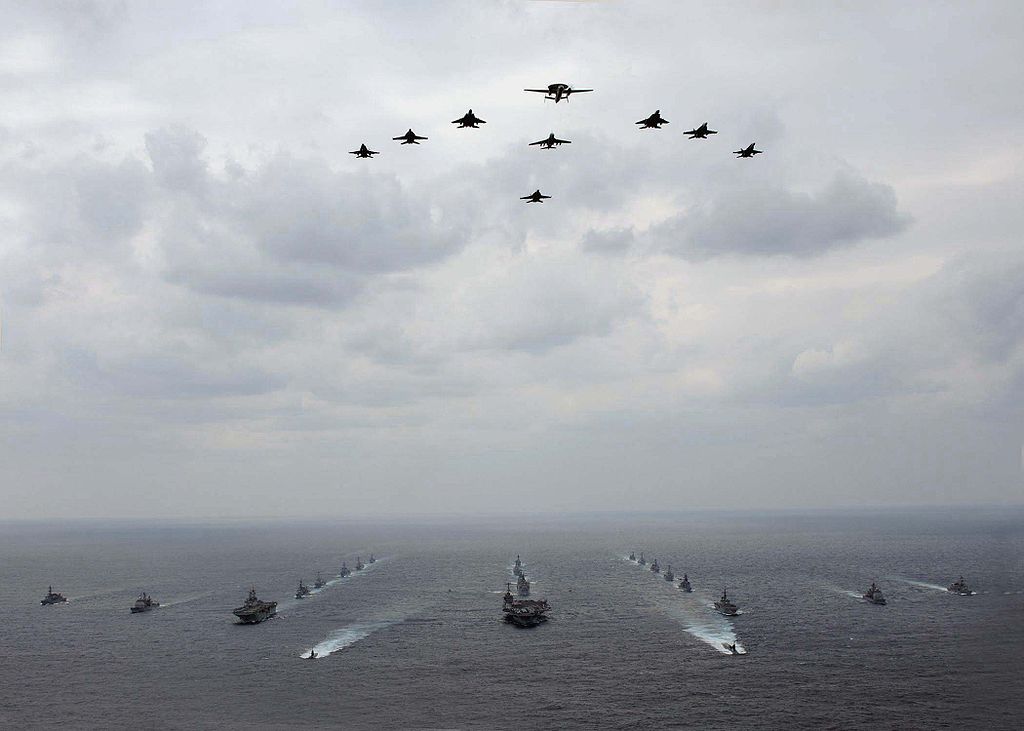
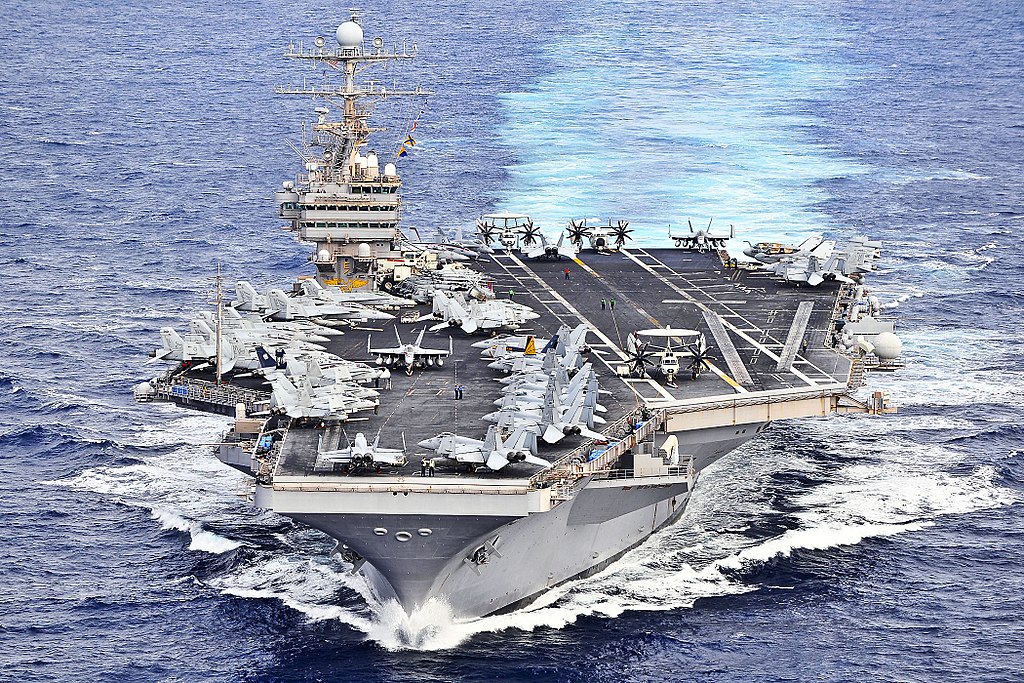
War and preparation for war entail harmful environmental impacts. There has been a dramatic historical shift in the way contemporary wars are fought — and the environmental consequences have changed alongside it. Many nations of the Global North have pursued "asymmetric warfare," which relies on high-tech and resource-intensive military strategies.
Parallel to this shift is the national security threat of climate change — an issue which must be addressed by the global community. This warmaking strategy minimizes risks in the Global North and disproportionately shifts the attendant risks of war — casualties, forced displacement, and environmental damage — onto the peoples and environments of the Global South.
Context
What Is This Research About?
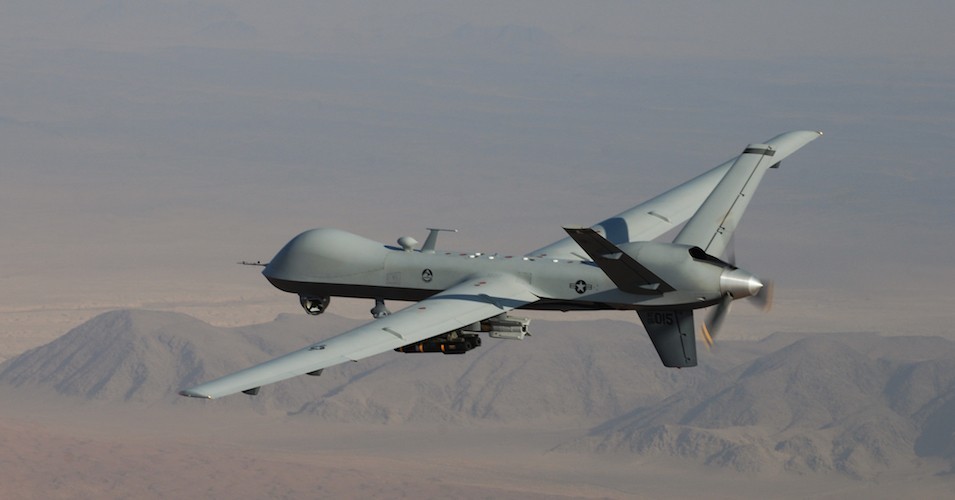
Military strategies change to accommodate existing technologies. During the 1990s the United States underwent a "Revolution in Military Affairs" and battle-tested its first "smart" weapons in the 1991 Gulf War. These innovative technologies were accompanied by new operational tactics that relied on shifting risks away from the homeland and its soldiers.
Competing national militaries were compelled to match the strategy of asymmetric warfare pursued by the United States, driving a high-tech and resource-intensive arms race across the world. By the year 2000, many national militaries were undergoing their own revolution in military affairs — while over the next decade the world grappled with the 9/11 attacks, two global economic recessions, and two decade-long wars in Iraq and Afghanistan.
"Risk-transfer militarism in the Global North shifts the attendant risks of war to the peoples and the environments of the Global South."
Methodology
What Did the Researchers Do?
The researchers located and analyzed academic, government, and non-governmental data to understand the impact of national military characteristics on carbon emissions. They performed a longitudinal and socio-spatial regression analysis that included 126 countries from 2000 to 2010.
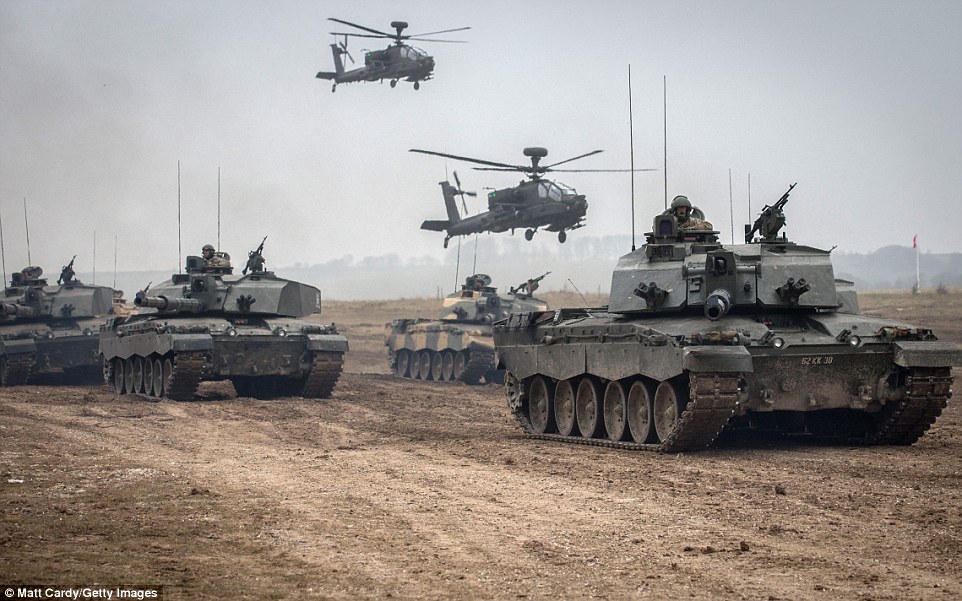
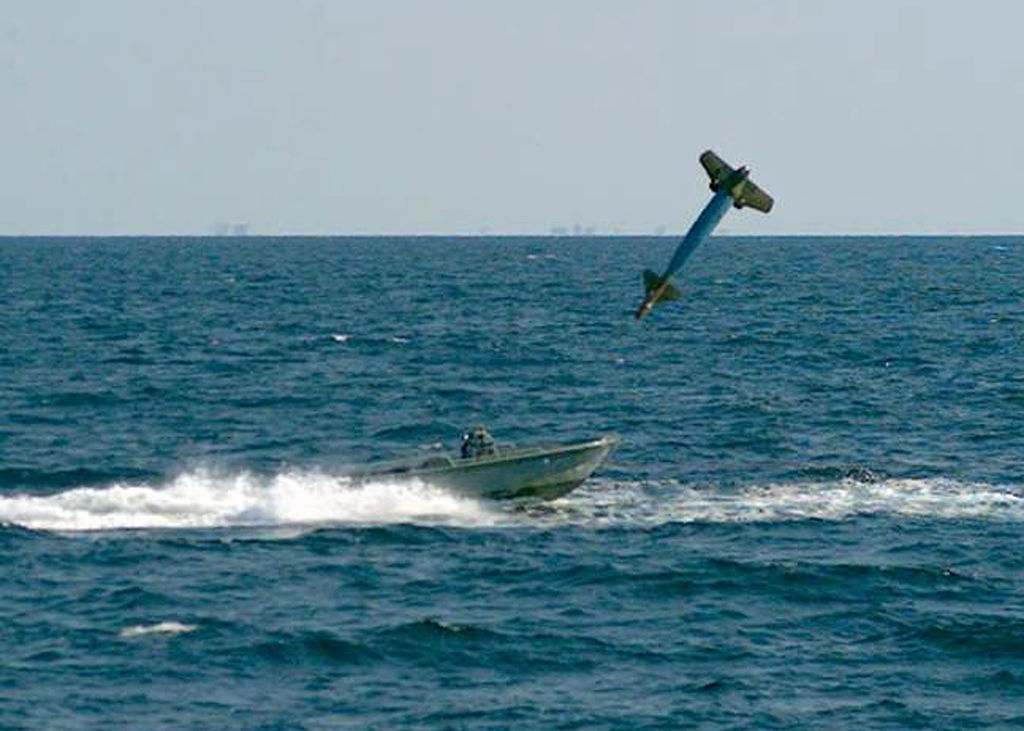
The manufacturing, maintenance, and distribution of weapons of war carries many harmful environmental consequences. Many advanced weapons rely on precious metals, toxic production processes, and large energy inputs — much of which is expended before weapons are ever deployed in combat.
Findings
What Did the Researchers Find?
Warmaking drives carbon emissions even in times of global recession — when the slowdown of the global economy reduces the impact of gross domestic product on carbon output. Risk-transfer militarism in the Global North shifts the attendant costs of war to the peoples and environments of the Global South.
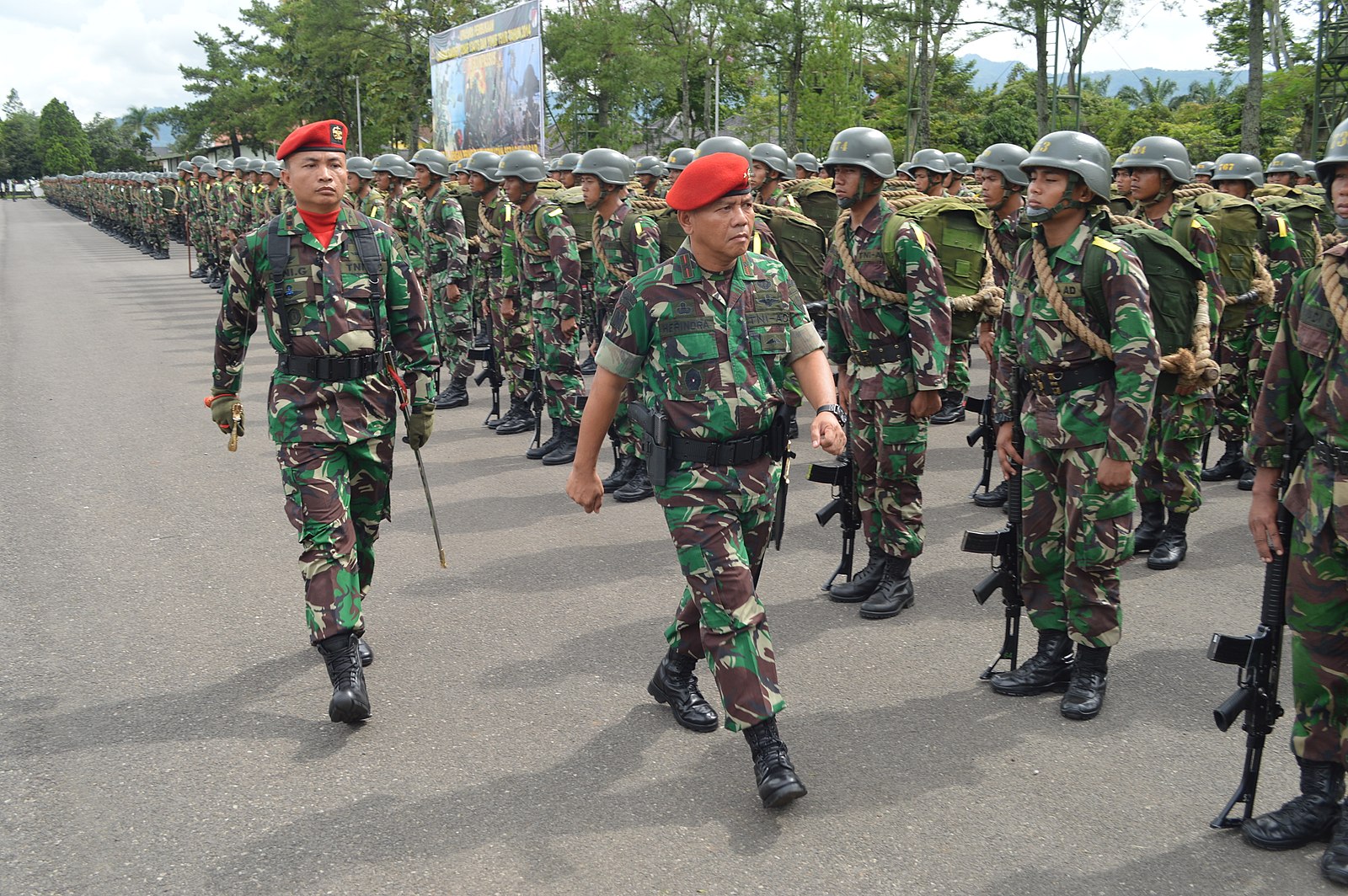
While the Global North pursues a strategy that relies on carbon-intensive advanced weaponry, the Global South is investing in more conventional ground forces. In addition to bearing the brunt of the Global North's asymmetric warfare, the Global South will also be most impacted by global climate change driven by these same CO₂ emissions.
National militaries are compelled to keep up with their rivals. Depending on the geopolitical context, this means competing in an arms race or ramping up military participation to raise a standing army — either path carries significant environmental costs that fall unevenly across the world.
Implications
How Can You Use This Research?
Governments can be reminded that military competition can undermine national security through its impacts on global climate change via increased carbon emissions. This effect holds even during global recessions, when the broader economy contracts and reduces its environmental footprint.
Understanding how asymmetric warfare affects global carbon emissions can help policymakers craft less environmentally destructive strategies to protect national security interests. Environmental organizations may use this research to inform their strategies for applying pressure on governments who — while simultaneously acknowledging the national security threat of climate change — continue pursuing asymmetric warfare that significantly contributes to the emissions driving it.