Background
What You Need to Know
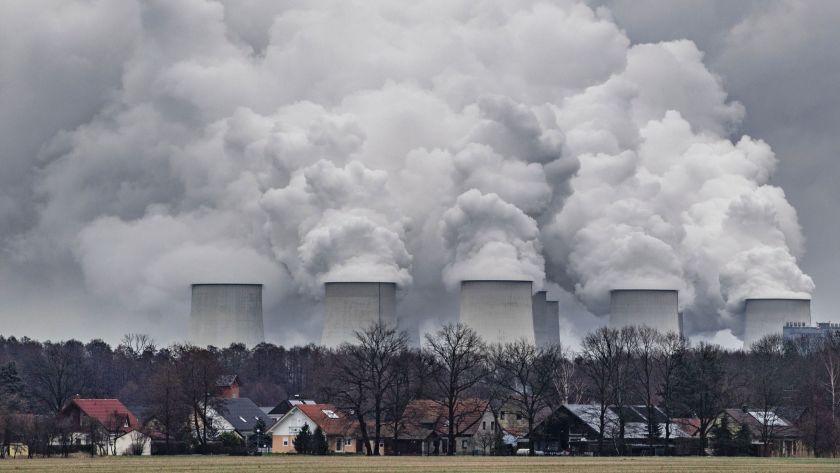
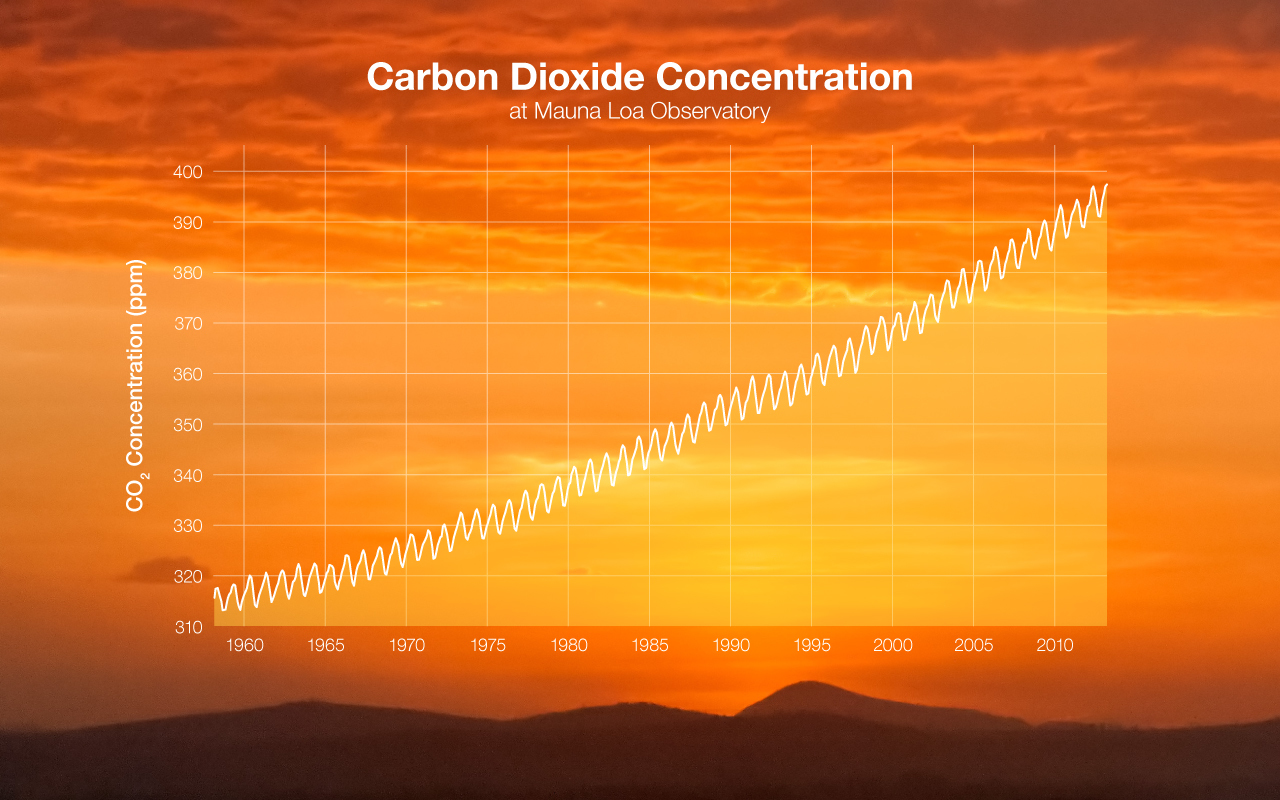
Reducing CO₂ emissions is the central focus of strategies to combat global climate change. Many governments, environmentalists, and activists are calling for civilian nuclear power as part of the solution — arguing that efficient, low-carbon nuclear energy can displace fossil fuels at scale.
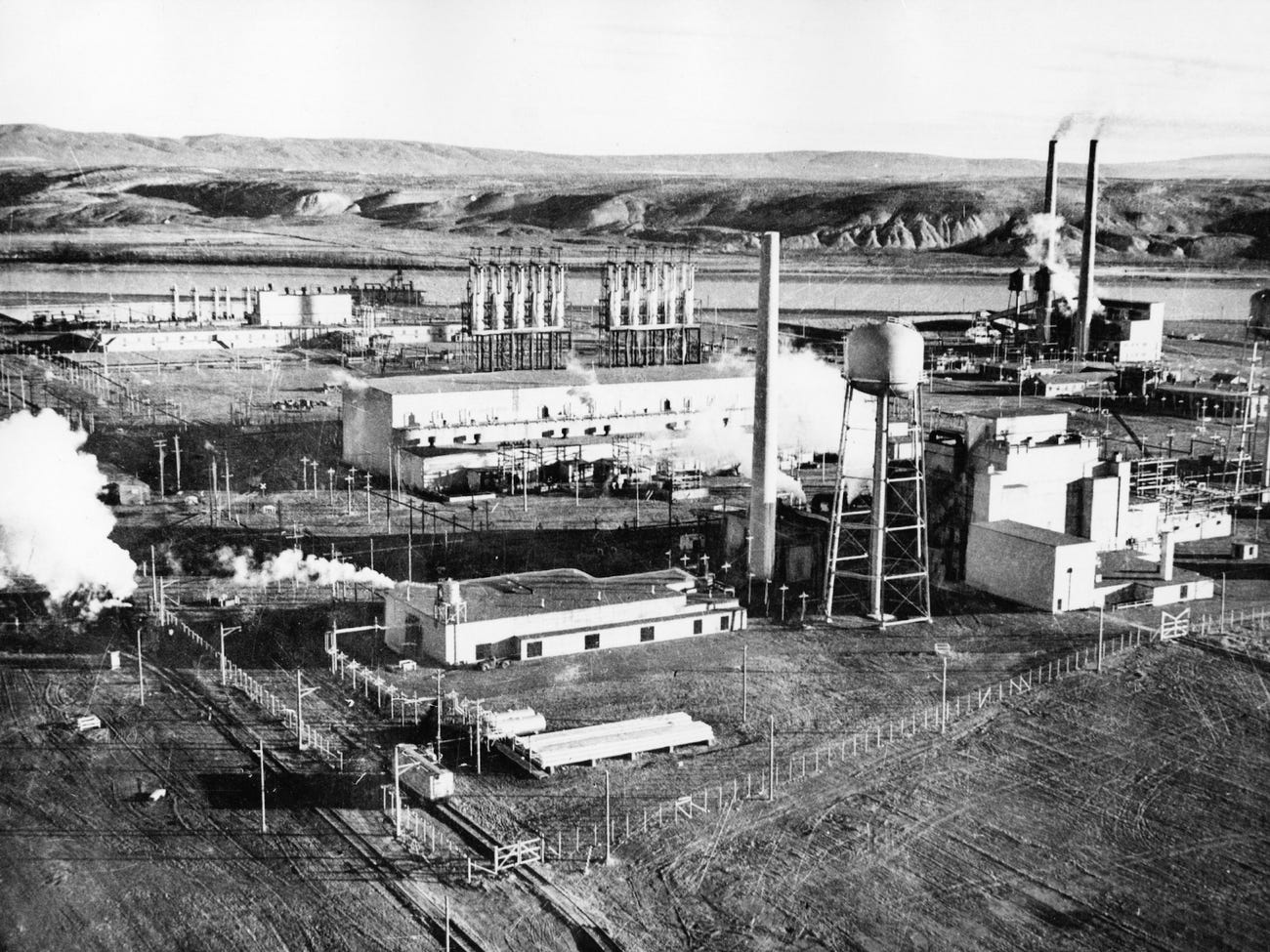
But both nuclear power plants and nuclear weapons involve complex industrial processes that require enormous amounts of fossil fuel — from uranium mining and enrichment, to plant construction and operation, to weapons manufacturing and maintenance. Nations with nuclear infrastructure also tend to build out a militarized national security state, which can gain momentum and contribute significantly to overall CO₂ emissions.
Methodology
What Did the Researchers Do?
The researchers used longitudinal cross-national data from government and academic sources covering 136 countries between 2001 and 2007. The goal was to understand the effects of economic and military variables on carbon emissions over time — within a global perspective, and specifically in the context of nuclear technology.
The analysis tested the effects of both civilian nuclear energy production and nuclear weapons possession on carbon emissions, controlling for economic development, military spending, and other variables. This allowed the researchers to isolate the independent contribution of nuclear infrastructure to a country's overall CO₂ footprint.
Theoretical Framework
The study draws on environmental sociology's core insight: increased economic development is consistently associated with increases in energy consumption and carbon emissions. Both the civilian nuclear energy sector and the nuclear weapons complex represent particular forms of industrial development — each with its own emissions footprint that prior research had largely ignored.
Findings
What Did the Researchers Find?
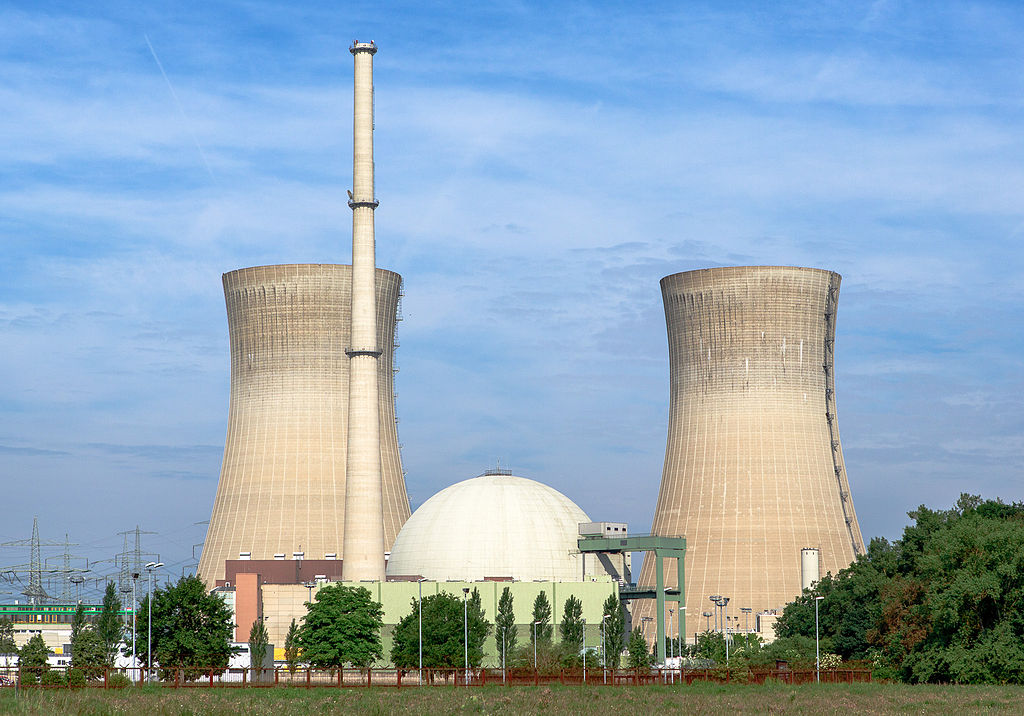
The results directly challenge a prevailing assumption: nuclear energy production increased carbon emissions rather than reducing them. Even accounting for the fact that nuclear power plants do not produce direct carbon emissions during operation, they are not efficient enough — across their full industrial lifecycle — to offset other greenhouse gas emissions. Carbon emissions continue to rise even when civilian nuclear energy production is included in the model.
- Nuclear energy production is positively associated with carbon emissions — the data do not support the claim that going nuclear reduces a country's overall greenhouse gas footprint
- Nuclear weapons possession is consistently associated with higher total carbon emissions and is the strongest predictor of elevated CO₂ in the entire analysis — stronger even than GDP or military spending
- Economic development remains consistently associated with increased energy consumption and carbon emissions, consistent with core findings across environmental sociology
- The militarized national security state built around nuclear weapons programs generates a self-reinforcing cycle of fossil fuel consumption — independent of whether the weapons are ever used
"Nuclear weapons possession is the strongest predictor of carbon emissions in the analysis — stronger than economic development itself."
These results are consistent with the broader logic of environmental sociology: that economic and military dynamics drive carbon emissions in ways that are not easily offset by technological substitution. Nuclear weaponry is not only tied to Cold War legacy but to contemporary fears of terrorism and national security — making the treadmill it sustains politically durable and environmentally costly.

Implications
How Can You Use This Research?
Governments and policy advocates can be reminded that there are complex, often hidden environmental consequences associated with both nuclear weapons and nuclear energy production. The claim that nuclear power is a straightforward climate solution does not survive scrutiny when the full industrial lifecycle of nuclear infrastructure — and the militarized state apparatus it requires — is taken into account.
Understanding the effects of nuclear technologies on carbon emissions can help governments craft broader and more sustainable approaches to addressing climate change — ones that do not simply trade one set of environmental costs for another.
Environmental and nuclear disarmament organizations may use this research to connect the critical issues of climate change and nuclear weaponry, building coalitions across movements that have historically operated separately. The nuclear shadow cast by Hiroshima may extend further than its visible blast radius.